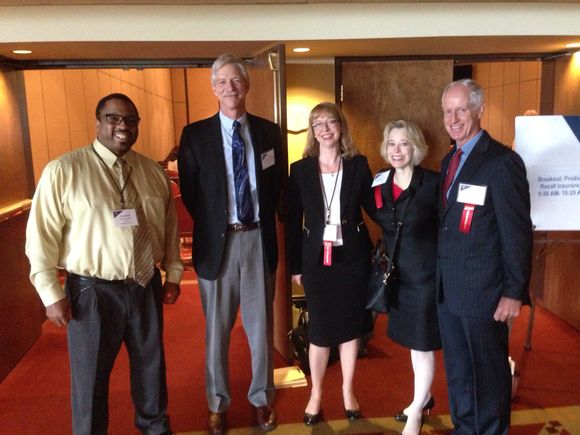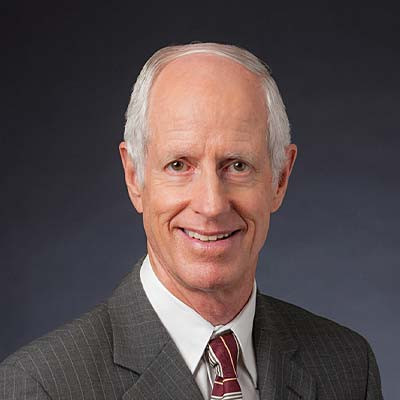
Photo of Tred R. Eyerly

Tred once again was selected by his peers for inclusion in the 2025 Edition of The Best Lawyers in America® for his work in Commercial Litigation, Insurance Law and Litigation-Insurance. He was also named Best Lawyers® 2022 Litigation Insurance “Lawyer of the Year” in Honolulu. A designation given to a single attorney in each practice group by metropolitan area.

   The court determined that the pollution exclusion did not bar defense or indemnity for the insured's obligation to clean up a superfund site. Decker Mfg. Corp. v. The Travelers Indem. Co., 2015 U.S. Dist. LEXIS 12169 (W.D. Mich. Feb. 3, 2015).

   From 1966 to 1981, Decker disposed of its waste materials at

   Where the building was damaged by both a covered cause and a non-covered cause, the policy's anti-concurrent/anti-sequential causation clause barred coverage for a collapsed building. Ashrit Realty LLC v. Tower Nat'l Ins. Co., 2015 N.J. Super. Unpub. LEXIS 107 (N.J. Super. Ct. App. Div. Jan. 20, 2015).

   The property sustained moderate damage

   The New Hampshire Supreme Court found some of the property damage evolving from the insured's portion of the work was covered under its liability policy. Cogswell Farm Condo. Ass'n v. Tower Group, Inc., 2015 N.H. LEXIS 3 (N.H. Jan. 13, 2015). 

   Lemery Building Company, Inc. constructed and developed 24 residential condominium units.

   Disagreeing with the excess carrier's interpretation of the primary policy, the court determined the commercial property policy was a blanket policy, thereby invoking additional excess coverage. Landmark Am. Ins. Co. v. Pin-Pon Corp., 2015 Fla. App. LEXIS 189 (Fla. Ct. App. Jan. 7, 2015).

   The insured purchased a hotel. Renovations were planned

   This year's Insurance Coverage Litigation Committee's CLE Seminar will be conducted in Tucson, Arizona, from March 4-7, 2015. Each year, the conference offers informative, cutting-edge sessions on a variety of insurance-related topics. Participants from across the country with varying perspectives on insurance coverage, including lawyers, judges, risk managers, and insurance professionals, will be attendance. The

   The Pennsylvania Supreme Court addressed when a liability policy was triggered for ongoing property damage. The Court also declined to apply the multiple trigger theory. Pennsylvania Nat'l Mut. Cas. Ins. Co. v. John, 2014 Pa. LEXIS 3313 (Pa. Dec. 15, 2014).

   In 2002, Appellants, co-owners of a dairy farm, expanded the size

   The court followed precedent in Illinois and upheld the insurer's denial of coverage for construction defects that did not damage other property. Design Concrete Founds., Inc. v. Erie Ins. Prop. & Cas. Co., 2014 Ill. App. Unpub. LEXIS 2684 (Ill Ct. App. Nov. 26, 2014).

   In 2005, the homeowners contracted with the